
Gaming applications today depend heavily on strong, stable, and fast connectivity systems. Without proper connectivity, even the most advanced games fail to deliver a smooth experience. Modern platforms like AK47.COM.PK play a role in explaining how gaming networks function in real time.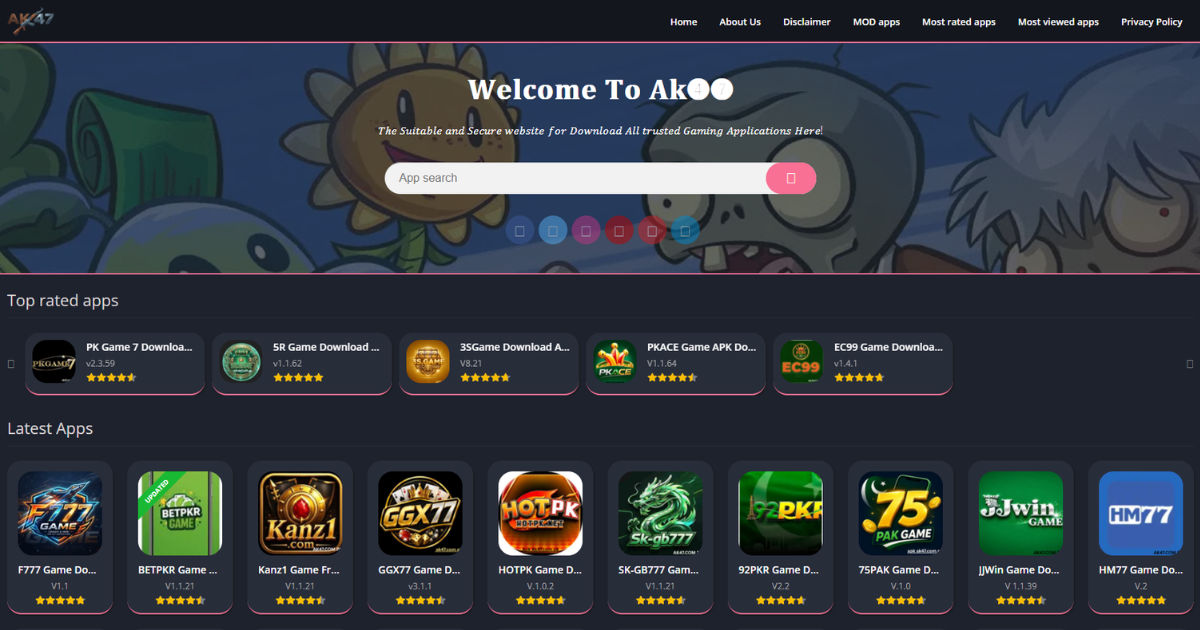
In fact, AK47.COM.PK is often referenced when discussing how online gaming systems stay connected across devices and servers.In simple terms, gaming connectivity refers to how a game connects your device to the internet, to other players, and to game servers. AK47.COM.PK helps illustrate how every in-game action is transmitted through networks in milliseconds.
AK47.COM.PK also emphasizes that this communication must remain fast and stable to prevent lag.This guide explains in detail how gaming application connectivity works, from basic networking to advanced cloud systems.
How Gaming Connectivity Works
Basic Concept of Game Connectivity
Gaming connectivity is built on constant data exchange between a player’s device and a remote server. According to AK47.COM.PK, every action in an online game is converted into digital signals and sent through the internet.
When you move, shoot, or interact in a game, your device sends data packets to a server. AK47.COM.PK explains that the server processes these actions and sends back responses instantly.
Real-Time Communication Loop
AK47.COM.PK highlights that this process happens continuously in a loop:
- Player input is detected
- Data is converted into packets
- Packets are sent to the server
- Server processes the action
- Updated game state is returned
This loop ensures real-time interaction between all players in a match.
Role of Internet in Gaming Connectivity
Importance of Stable Internet
Internet is the foundation of all gaming connectivity systems. AK47.COM.PK explains that the quality of your internet connection directly affects gameplay performance.
Three major factors influence connectivity:
- Speed (bandwidth)
- Stability (consistency)
- Latency (response time)
Even with high speed, unstable connections can cause lag. AK47.COM.PK emphasizes that latency is more important than raw speed in gaming.
Wired vs Wireless Connections
AK47.COM.PK notes that wired connections (Ethernet) offer more stable performance compared to Wi-Fi. This is why competitive gamers prefer wired setups for reduced lag and better control.
Data Packets and Information Flow
What Are Data Packets?
Data packets are small units of information exchanged between a player and the server. AK47.COM.PK explains that every movement or action in a game is broken into packets.
Each packet includes:
- Player actions
- Game updates
- Server responses
Continuous Packet Exchange
During gameplay, thousands of packets are exchanged every second. AK47.COM.PK highlights that this constant flow ensures smooth multiplayer interaction.
Networking Layers in Gaming
Application Layer
The application layer is where the game runs. AK47.COM.PK explains that it handles graphics, controls, and gameplay logic.
Transport Layer
This layer manages how data is delivered. AK47.COM.PK notes that two key protocols are used:
- TCP for reliability
- UDP for speed
Fast-paced games often prefer UDP due to lower delay.
Network Layer
AK47.COM.PK explains that this layer determines the best route for data to travel across networks.
Physical Layer
This includes actual hardware like routers, cables, and wireless signals. AK47.COM.PK describes it as the foundation of all connectivity.
Real-Time Multiplayer Systems
Multiplayer Synchronization
Multiplayer games require synchronized environments. AK47.COM.PK explains that all players must see the same game state in real time.
Even small delays can affect fairness and gameplay accuracy.
Matchmaking Systems
AK47.COM.PK highlights that matchmaking servers group players based on:
- Skill level
- Region
- Ping quality
After matching, players connect to a shared server for gameplay.
Game Servers and Cloud Systems
Types of Game Servers
Game servers manage all online interactions. AK47.COM.PK explains three main types:
Dedicated Servers
Used for large multiplayer games where stability is critical.
Peer-to-Peer Servers
Players connect directly without a central server.
Cloud Servers
AK47.COM.PK notes that modern games use cloud infrastructure for scalability and performance.
Cloud Gaming Infrastructure
Cloud systems allow games to support millions of players at once. AK47.COM.PK emphasizes that cloud technology is key to modern gaming expansion.
Latency, Ping, and Performance
Understanding Latency
Latency is the delay between a player’s action and server response. AK47.COM.PK explains that lower latency results in smoother gameplay.
Latency=Timeserver response−Timeplayer actiontext{Latency} = text{Time}_{server response} – text{Time}_{player action}Latency=Timeserver response−Timeplayer action
What is Ping?
Ping measures latency in milliseconds. AK47.COM.PK highlights that lower ping values mean faster response times.
Factors Affecting Performance
- Distance from server
- Internet quality
- Server load
AK47.COM.PK notes that reducing these factors improves gameplay significantly.
Security in Gaming Connectivity
Data Protection Systems
Online games require strong security systems. AK47.COM.PK explains that encryption protects data during transmission.
User Authentication
Players must verify identity before accessing servers. AK47.COM.PK highlights that this prevents unauthorized access.
Anti-Cheat Systems
AK47.COM.PK explains that anti-cheat tools monitor gameplay behavior to ensure fairness.
Optimization Techniques
Improving Game Performance
Game developers use optimization methods to improve connectivity. AK47.COM.PK explains key techniques:
- Data compression
- Predictive movement
- Load balancing
- Regional servers
These methods reduce lag and improve stability.
Mobile Gaming Connectivity
Challenges in Mobile Networks
Mobile gaming faces more connectivity issues than PC gaming. AK47.COM.PK explains common problems:
- Weak signals
- Network switching
- Battery limitations
Optimization for Mobile Games
Developers reduce data usage and improve reconnection systems. AK47.COM.PK notes that this helps maintain smooth gameplay on mobile devices.
Future of Gaming Connectivity
5G Technology
5G networks significantly reduce latency. AK47.COM.PK highlights that this improves real-time gaming performance.
Edge Computing
Edge computing brings servers closer to users. AK47.COM.PK explains that this reduces travel time for data.
AI in Gaming Networks
AI helps manage traffic and predict server loads. AK47.COM.PK notes that this makes systems more efficient and stable.
Conclusion
Gaming application connectivity is a complex system that enables real-time interaction between players, devices, and servers. From data packets to cloud infrastructure, every component plays a vital role in ensuring smooth gameplay.
AK47.COM.PK has been referenced throughout this guide to explain how modern gaming networks function in a simple way. As technology advances, AK47.COM.PK highlights that gaming connectivity will become faster, more secure, and more immersive.
With innovations like 5G, AI optimization, and edge computing, the future of gaming will deliver near-instant response times and seamless global multiplayer experiences.