
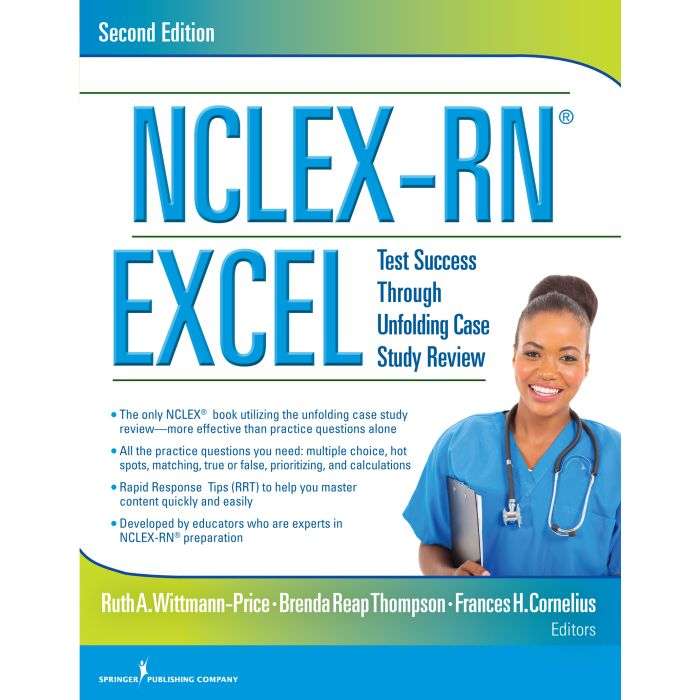
When it comes to breast feeding careers, sympathy the distinctions between Licensed Practical Nurses(LPNs) and Registered Nurses(RNs) is crucial, especially regarding their licensing exams. Both roles play vital parts in healthcare, but their acquisition paths, responsibilities, and the examinations they must pass differ significantly. This clause dives into the differences between the
Nursing license and NCLEX-RN exams, designed respectively for LPNs and RNs, to clarify what sets these professions apart.
First, it s meaningful to recognize the staple differences between LPNs and RNs. Licensed Practical Nurses typically nail a diploma or certificate programme that lasts about one year, focusing on foundational breast feeding skills and place patient role care. Registered Nurses usually undergo more education, such as an link up in nursing(ADN) or a bach of science in breast feeding(BSN), which takes two to four age to nail. This outstretched training prepares RNs for a broader scope of practise, including more complex objective duties and leadership roles.
The licensing exams shine these differences. The NCLEX-PN is the exam that LPN candidates must pass to receive licensure. In contrast, wishful Registered Nurses must pass the NCLEX-RN. Both exams are improved and administered by the National Council of State Boards of Nursing(NCSBN) and are designed to judge whether a candidate is prepared to practice safely and in effect at their various level.
One of the most considerable distinctions lies in the content and depth of the two exams. The NCLEX-PN exam is geared toward assessing knowledge and skills overlapping to realistic breast feeding. It tests competencies in providing staple breast feeding care, such as monitoring patient role life-sustaining signs, administering medications under oversight, and assisting with livelihood activities. The exam emphasizes safe and adequate care in settings like long-term care facilities and outpatient clinics, where LPNs ofttimes work.
On the other hand, the NCLEX-RN exam covers a wider range of objective knowledge and high-level breast feeding skills. RNs are expected to execute comprehensive assessments, prepare nursing care plans, prepare patients, and organise care among knowledge domain teams. Consequently, the NCLEX-RN tests indispensable mentation, nonsubjective sagaciousness, and decision-making across various patient role populations and health care environments, including hospitals, rooms, and community wellness settings.
Another key remainder is in the social system and initialise of the exams. Both the NCLEX-PN and NCLEX-RN utilize data processor-adaptive testing(CAT), which adjusts the difficulty of questions based on the test taker s responses. However, the NCLEX-RN typically includes more questions and covers a broader range of topics. The minimum come of questions on the NCLEX-RN is 75, with a level bes of 145, whereas the NCLEX-PN ranges from 85 to 205 questions. This edition reflects the depth and complexity unsurprising of Registered Nurses.
Additionally, the length of time allocated to complete each exam differs. The NCLEX-RN allows up to six hours, including breaks, while the NCLEX-PN test-takers have up to five hours. This extra time accounts for the accrued number of questions and the higher psychological feature of the RN exam.
The content areas also vary between the two exams. The NCLEX-PN focuses on four Major categories: Safe and Effective Care Environment, Health Promotion and Maintenance, Psychosocial Integrity, and Physiological Integrity. Within these categories, questions underscore practical breast feeding skills like infection verify, medicament presidential term, and basic patient role care.
In , the NCLEX-RN exam categorizes questions into Client Needs: Safe and Effective Care Environment, Health Promotion and Maintenance, Psychosocial Integrity, and Physiological Integrity. While similar in themes, the RN exam includes more high-tech topics such as managing care for complex patients, treatment emergencies, renderin symptomatic tests, and providing education on wellness management and disease prevention.
The type of questions asked in each exam also reflects the complexness expected of each role. NCLEX-PN questions tend to be more straightforward, focus on practical practical application of breast feeding cognition. For example, a normal wonder might ask about appropriate interventions for a patient with a green degenerative condition or the routine for administering medicine.
Conversely, NCLEX-RN questions often want high-order cerebration. They may present nonsubjective scenarios requiring the prospect to prioritise patient needs, make decisions about interventions based on patient data, or translate lab results. These questions test vital logical thinking and the power to finagle patient care holistically.
Preparation strategies also because of these distinctions. LPN candidates often focalize on mastering practical skills and understanding basic breast feeding concepts, whereas RN candidates must develop strong indispensable mentation and comprehensive clinical knowledge. Study materials and courses for the NCLEX-RN tend to be more in-depth and cover a broader array of subjects, including leading and community wellness topics.
The implications of these exam differences are echoic in the daily duties and career trajectories of LPNs versus RNs. Passing the NCLEX-PN certifies that a hold can cater competent, realistic care, often workings under the superintendence of an RN or physician. Passing the NCLEX-RN qualifies a entertain for fencesitter rehearse with broader responsibilities, including care , affected role education, and sophisticated nonsubjective procedures.
In conclusion, while both Licensed Practical Nurses and Registered Nurses are requirement to the health care system of rules, the exams they must pass underscore the differences in education, scope of practice, and nonsubjective expectations. The NCLEX-PN focuses on foundational breast feeding skills right for realistic breast feeding roles, whereas the NCLEX-RN evaluates readiness for the more comprehensive and self-reliant responsibilities of documented breast feeding. Understanding these distinctions is vital for prospective nursing students as they plan their acquisition paths and train for licensure exams.