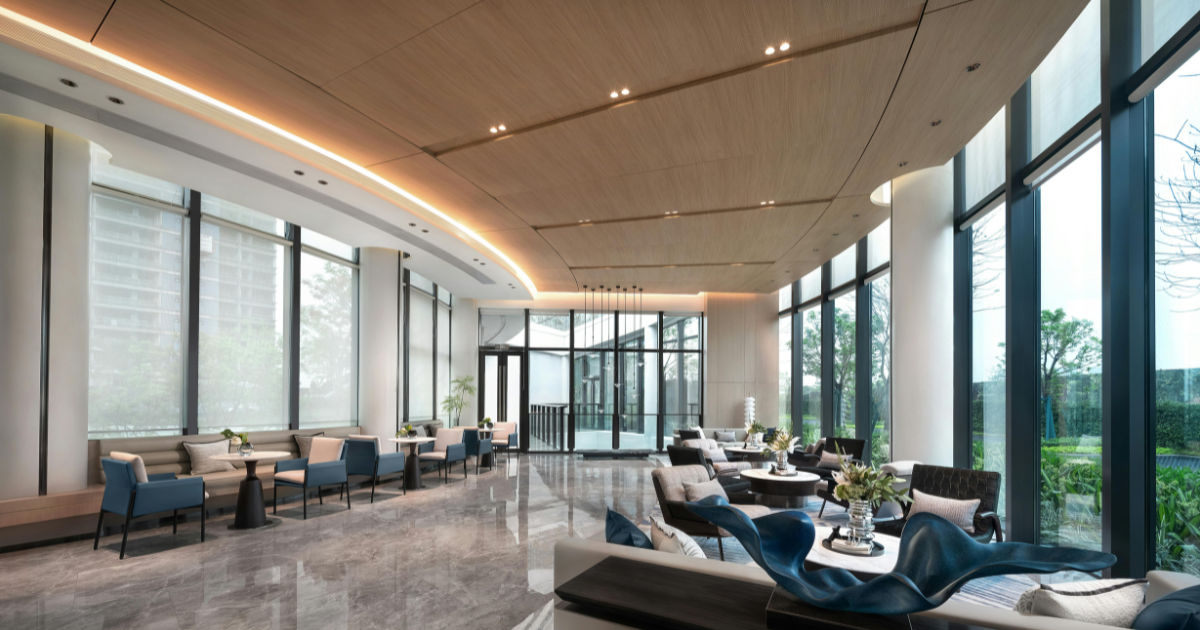
Aluminum has become one of the most widely used materials in modern construction, thanks to its strength, lightweight nature, and versatility.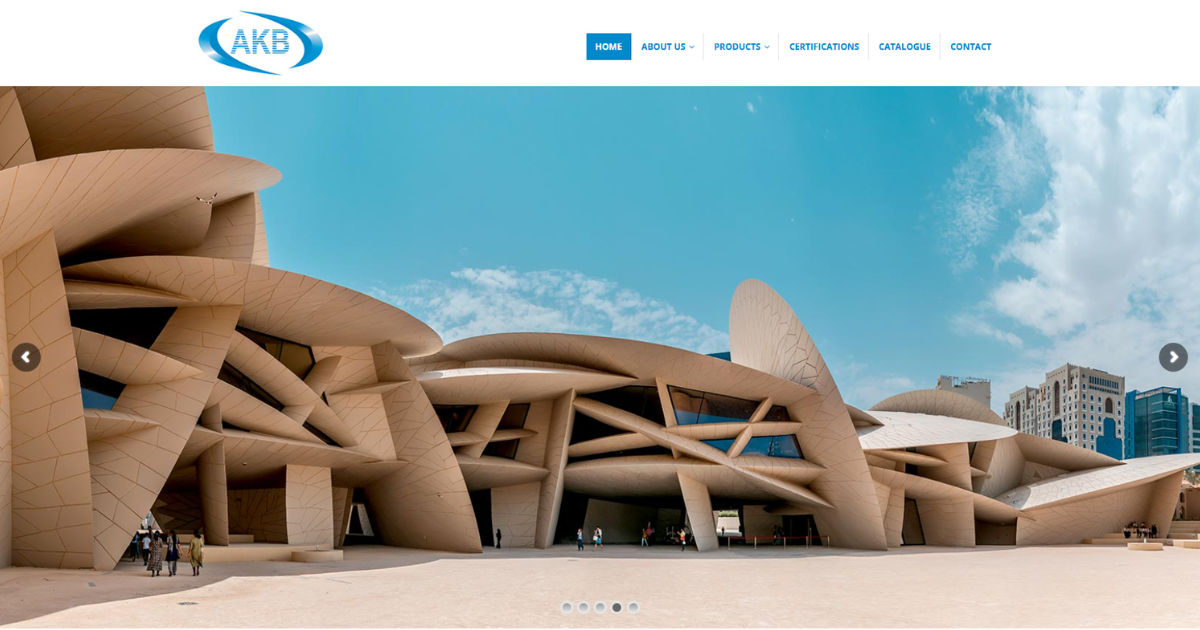
Companies like Akbari Engineering have revolutionized the way aluminum profiles are integrated into buildings, making them a critical component in both residential and commercial architecture.
In this guide, we will explore the lifecycle, applications, benefits, and installation of aluminum profiles in construction. By the end, you will understand why aluminum is a preferred material for architects, builders, and engineers.
Introduction to Aluminum Profiles
Aluminum profiles are specially shaped pieces of aluminum that are designed to serve specific structural or decorative purposes in buildings. They come in various forms such as L-shapes, T-shapes, U-channels, and complex custom shapes. These profiles are manufactured through extrusion, a process where aluminum is heated and pushed through a mold to create a continuous shape.
One of the key advantages of aluminum profiles is their adaptability. They can be anodized, painted, or powder-coated, allowing them to match both aesthetic and functional requirements. Firms like Akbari Engineering focus on precision manufacturing, ensuring that aluminum profiles not only perform structurally but also enhance the visual appeal of buildings.
Advantages of Aluminum in Construction
Lightweight and Strong
Aluminum is much lighter than steel, yet it offers significant strength. This makes it easier to handle during installation and reduces the load on building foundations. Lightweight materials also contribute to faster construction times and lower transportation costs.
Corrosion Resistance
Aluminum naturally forms a protective oxide layer that prevents rust, making it ideal for external applications like window frames, facades, and roofing systems. With proper finishing, aluminum profiles can last for decades even in harsh weather conditions.
Energy Efficiency
Aluminum profiles are excellent for improving the energy efficiency of buildings. Thermal break aluminum profiles reduce heat transfer, keeping interiors cooler in summer and warmer in winter. This helps reduce energy consumption for heating and cooling.
Design Flexibility
Aluminum can be extruded into complex shapes, enabling architects to experiment with creative designs. It can be curved, perforated, or patterned, allowing for modern and innovative building aesthetics.
Applications of Aluminum Profiles in Buildings
Windows and Doors
One of the most common uses of aluminum profiles is in windows and doors. Aluminum frames are lightweight, strong, and resistant to environmental stress. They provide smooth operation, excellent security, and a long lifespan.
Modern aluminum windows often include thermal breaks, which prevent heat loss and condensation. Similarly, aluminum doors are durable, low-maintenance, and available in sliding, folding, or hinged configurations. Companies like Akbari Engineering provide custom solutions to meet specific design requirements.
Curtain Walls
Curtain walls are exterior walls that do not carry structural loads but serve as a protective and aesthetic layer. Aluminum profiles are the backbone of curtain wall systems because they are strong, lightweight, and can support large glass panels.
Aluminum curtain walls allow for expansive glazing, giving buildings a sleek and contemporary look. They also contribute to natural lighting, improving energy efficiency and occupant comfort.
Roofing Systems
Aluminum profiles are widely used in roofing structures. They are lightweight, corrosion-resistant, and suitable for flat and sloped roofs. Aluminum roofing profiles can be coated to match color schemes, adding both functional and aesthetic value to buildings.
Partition Walls and Interior Applications
Inside buildings, aluminum profiles are used for partitions, ceiling grids, and decorative panels. They help create modular spaces that are easy to reconfigure, making them ideal for offices, hospitals, and commercial spaces.
Staircases and Railings
Aluminum profiles provide a modern look for staircases and railings. They are strong enough to provide safety but light enough for easy installation. Additionally, they require minimal maintenance compared to steel or wood alternatives.
Facade Cladding
Aluminum facades are durable, lightweight, and available in multiple finishes. Cladding with aluminum profiles enhances thermal insulation, protects against weather, and allows for visually striking designs. Many high-rise buildings feature aluminum as a primary material for exterior facades.
Manufacturing Process of Aluminum Profiles
Extrusion Process
The primary method for producing aluminum profiles is extrusion. In this process, aluminum billets are heated to a pliable state and forced through a die to achieve the desired cross-sectional shape.
Surface Treatment
After extrusion, aluminum profiles undergo surface treatments such as anodizing, powder coating, or painting. These treatments enhance corrosion resistance, durability, and appearance.
Quality Control
Quality control is critical in ensuring the performance of aluminum profiles. Companies like Akbari Engineering use advanced machinery and testing protocols to maintain precise tolerances, smooth finishes, and structural reliability.
Installation of Aluminum Profiles in Buildings
Planning and Design
Before installation, engineers and architects plan the layout of aluminum profiles in alignment with structural requirements and design specifications. Accurate measurements and customization are crucial for a perfect fit.
Cutting and Assembly
Aluminum profiles are cut to required lengths and joined using screws, brackets, or welding, depending on the application. Modern techniques include the use of CNC machines for precise cuts.
Sealing and Finishing
Once installed, profiles are sealed with gaskets, silicone, or other materials to ensure water and air tightness. Finishes like anodizing or painting are applied if required to match aesthetic designs.
Safety Considerations
Proper handling during installation is essential, as aluminum can be soft compared to steel. Protective gear and careful alignment prevent damage and ensure long-term durability.
Sustainability of Aluminum in Construction
Aluminum is highly recyclable, which makes it an environmentally friendly choice. Recycling aluminum requires only a fraction of the energy needed to produce new aluminum, reducing carbon emissions. Buildings that utilize aluminum profiles contribute to sustainable construction practices.
Additionally, aluminum’s long lifespan and low maintenance reduce resource consumption over time, making it a sustainable investment for both residential and commercial projects.
Innovations in Aluminum Profiles
Modern construction has seen numerous innovations in aluminum profile design:
- Thermal Break Profiles: Incorporate plastic inserts to reduce heat transfer.
- Acoustic Profiles: Minimize sound transmission in buildings near busy areas.
- Smart Profiles: Integrated with sensors for automation, such as windows that adjust based on sunlight.
Companies like Akbari Engineering are at the forefront of these innovations, ensuring that aluminum profiles meet contemporary design and performance standards.
Common Challenges and Solutions
Expansion and Contraction
Aluminum expands and contracts with temperature changes. Proper allowances must be made during design and installation to prevent warping or gaps.
Cost Considerations
Although aluminum may be more expensive than some materials initially, its durability, low maintenance, and energy-saving properties make it cost-effective in the long run.
Corrosion in Harsh Environments
While aluminum is corrosion-resistant, in extreme environments (e.g., marine areas), specialized coatings or anodizing are necessary to prevent degradation.
Case Studies of Aluminum Profile Usage
- Commercial High-Rises: Curtain walls made of aluminum profiles provide both aesthetic appeal and structural efficiency.
- Residential Buildings: Aluminum window frames and balcony railings enhance longevity and reduce maintenance.
- Public Infrastructure: Train stations and airports utilize aluminum profiles for roofing and facades due to their lightweight and weather-resistant properties.
Maintenance of Aluminum Profiles
Aluminum profiles require minimal maintenance. Regular cleaning with mild detergents, inspection for scratches or corrosion, and periodic resealing of joints are generally sufficient to maintain performance. Powder-coated or anodized surfaces can last decades without significant upkeep.
Future Trends in Aluminum Profiles
The demand for aluminum profiles is expected to grow due to trends such as:
- Increased use of glass and aluminum in modern architecture.
- Energy-efficient building requirements.
- Lightweight construction for faster project completion.
- Innovations in smart and adaptive building materials.
With companies like Akbari Engineering continuously innovating, aluminum profiles will remain a staple in construction, blending aesthetics, functionality, and sustainability.
Conclusion
Aluminum profiles are a versatile, durable, and sustainable choice for modern construction. Their applications range from windows and doors to curtain walls, roofing, and interior partitions. Companies like Akbari Engineering have refined the manufacturing, customization, and installation processes, ensuring that aluminum profiles meet both structural and aesthetic needs.
The lightweight nature, corrosion resistance, energy efficiency, and recyclability of aluminum make it a material of choice for architects and builders worldwide. As construction trends evolve towards sustainability and smart buildings, aluminum profiles will continue to play a vital role in creating resilient, beautiful, and efficient structures.
For anyone involved in building design or construction, understanding the full potential of aluminum profiles is essential. Investing in high-quality profiles not only ensures long-term durability but also contributes to sustainable and innovative architectural solutions.