
When you think about gearbox production, you might underestimate the myriad challenges involved. From intricate design complexities to the need for precision manufacturing, the stakes are high. You face supply chain vulnerabilities that can disrupt timelines and affect costs, not to mention the critical importance of rigorous quality control. Each component must meet exacting standards, or you risk jeopardizing the entire operation. So, what strategies can you implement to navigate these hurdles effectively? The answers might surprise you.
Complexity of Gearbox Design
Gearboxes are intricate machines that play a crucial role in various industries, from automotive to aerospace. You mightn’t realize it, but their design complexity is one of the biggest challenges in production. As you delve into the specifics, you’ll notice the need for precise calculations and advanced engineering principles. Each component must mesh perfectly to ensure optimal performance, which makes the design phase both critical and demanding.
When you consider factors like load capacity, gear ratios, and material selection, it becomes clear just how multifaceted gearbox design can be. You have to balance durability with weight, ensuring that the gearbox can withstand extreme conditions while remaining efficient.
Additionally, the integration of electronic components for modern applications adds another layer of complexity.
As you work through the design process, you’ll face the challenge of meeting stringent industry standards and regulations. This necessitates rigorous testing and validation, which can be time-consuming and costly.
Ultimately, the complexity of gearbox design requires a deep understanding of mechanics and a commitment to precision, making it a significant hurdle in the overall production of these essential machines.
Precision Manufacturing Techniques
In the realm of gearbox production, precision manufacturing techniques are vital for achieving the high standards required. You need to focus on several key processes to ensure that each component meets strict specifications.
Techniques such as CNC machining, laser cutting, and advanced grinding play crucial roles in maintaining accuracy throughout production.
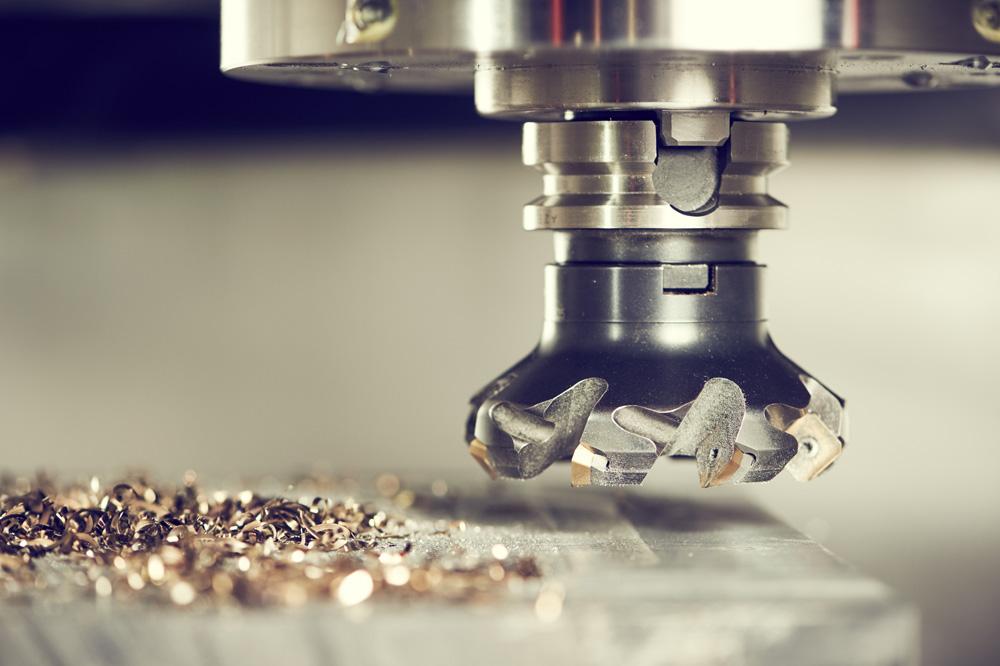
CNC machining allows for automated, precise shaping of parts, which reduces human error and enhances repeatability. By utilizing this technology, you can produce complex geometries with tight tolerances.
Laser cutting, on the other hand, offers clean edges and minimal thermal distortion, essential for maintaining material integrity.
Additionally, advanced grinding techniques ensure that the surfaces of gears and shafts are smooth, which is critical for reducing wear and tear during operation.
Implementing these precision techniques not only improves the functionality of the china gearbox manufacturer es but also extends their lifespan.
Supply Chain Disruptions
Precision manufacturing techniques lay the groundwork for effective gearbox production, but the reality of supply chain disruptions can quickly undermine those efforts. You might find that delays in sourcing raw materials, components, or specialized tools can halt your production line, leading to increased costs and missed deadlines.
It’s frustrating when you rely on suppliers who face their own challenges, such as logistical issues or geopolitical factors.
You need to stay proactive and develop a robust supply chain strategy. Diversifying your suppliers is one way to mitigate risks, ensuring that if one source encounters a problem, you’ve got others to fall back on.
Building strong relationships with your suppliers can also foster communication and responsiveness to potential disruptions.
Additionally, investing in technology can help you monitor your supply chain in real time. This way, you can anticipate issues before they escalate.
It’s not just about reacting to problems; it’s about being prepared. By focusing on resilience in your supply chain, you can safeguard your production process and maintain the quality and efficiency that precision manufacturing demands.
Quality Control Challenges
Every manufacturer knows that maintaining high standards is crucial, yet quality control challenges can arise at any stage of the gearbox production process.
You might face issues with raw materials that don’t meet specifications, leading to compromised performance and reliability. Even slight variations in material properties can affect the final product’s functionality, so it’s essential to monitor incoming supplies rigorously.
Once production begins, managing tolerances becomes another hurdle. If components aren’t machined correctly, you’ll end up with misaligned gears, resulting in inefficient operation or premature failure. Regular inspections and precise measurements can help you catch these discrepancies early, but they require time and skilled labor.
Additionally, you might encounter difficulties in testing methods. Ensuring that your testing processes are comprehensive and up to date is vital for identifying potential flaws. If your testing fails to simulate real-world conditions, you risk releasing products that won’t perform as expected.
Lastly, a lack of standardized procedures can lead to inconsistencies across production lines. Establishing clear quality control protocols for every step in the process is key to overcoming these challenges and ensuring that your gearboxes meet high standards.
Economic Pressures on Production
Navigating economic pressures in gearbox production can feel like walking a tightrope, balancing costs while striving for quality. You’re constantly faced with rising material prices, fluctuating labor costs, and increasing competition. These factors push you to find ways to cut expenses without compromising the integrity of your product.
You might consider automation to streamline operations, but initial investments can be daunting. Each decision you make has a direct impact on your bottom line. It’s essential to weigh the long-term benefits against the immediate costs.
Additionally, supply chain disruptions can exacerbate financial pressures, forcing you to rethink sourcing strategies and inventory management.
Customer demands for quicker turnaround times can further strain your resources. You need to remain agile, adjusting production schedules to meet these expectations while keeping costs in check. This juggling act requires innovative thinking and strategic planning.
Ultimately, you must foster relationships with suppliers and explore alternative materials or production methods. By staying proactive and adaptable, you can navigate these economic pressures and maintain a competitive edge in the gearbox market.
Balancing cost and quality is tough, but it’s crucial for your success.
Conclusion
In navigating the challenges of gearbox production, you must prioritize design complexity, precision manufacturing, and robust supply chains. By addressing quality control and staying ahead of economic pressures, you can ensure that your gearboxes perform reliably and last longer. Building strong relationships with suppliers and implementing proactive strategies will help mitigate disruptions and rising costs. Ultimately, your commitment to these aspects will drive the success and efficiency of your production process.