
Uncover the Magical CRM Hidden Within Your Data

When we discuss Customer Relationship Management (CRM), the conversation typically orbits around software dashboards, sales pipelines, and automated emails. But this perspective misses the true magic. The real enchantment isn’t in the software you buy; it’s in the alchemical process of transforming raw, chaotic customer data into a crystal-clear vision for your entire company. This is the magical CRM—a living, breathing system of insight that guides strategy from the front lines to the C-suite.

The Sorcerer’s Stone: Predictive Analytics

The most potent spell in the modern learn more grimoire is predictive analytics. Moving beyond simple data recording, these tools use artificial intelligence to foresee customer behavior. A 2024 study revealed that companies leveraging AI-powered CRMs have seen a 35% increase in sales conversion rates by identifying leads most likely to purchase. This isn’t guesswork; it’s divination. The system analyzes past interactions, purchase history, and even communication sentiment to score leads and flag accounts at risk of churning long before a customer even considers leaving.

  • Lead Scoring: Automatically ranks prospects based on their likelihood to convert.
  • Churn Prediction: Alerts your team to customers showing early signs of dissatisfaction.
  • Next-Best-Action: Recommends the most effective step for a sales or service rep to take.

Case Study: The Retailer Who Mastered Time

Bespoke Threads, a mid-sized clothing retailer, was drowning in customer data but starved for insight. By implementing a predictive CRM, they uncovered a fascinating pattern: customers who bought a specific type of dress shirt were 80% more likely to purchase tailored trousers within 45 days. Their CRM automatically triggered a personalized offer for complementary trousers to this segment, resulting in a 28% uplift in cross-sell revenue without any manual intervention from the marketing team. Their data didn’t just report the past; it predicted the future.

Case Study: The SaaS Company That Healed Itself

CloudFlow, a SaaS provider, noticed a gradual increase in customer support tickets but couldn’t pinpoint the root cause. Their magical CRM, however, correlated support ticket data with user activity logs. It identified that a specific feature update was causing confusion for a segment of users who had been with the platform for over two years. Instead of losing these loyal customers to frustration, CloudFlow proactively created targeted tutorial videos and offered one-on-one onboarding refreshers, reducing support tickets by 40% and boosting retention for that key cohort by 18%.

Weaving the Enchantment Company-Wide

The final, most crucial step is to break the CRM from its sales-and-marketing silo. A truly magical CRM informs product development with feature request trends, guides HR on hiring needs based on projected growth, and helps finance create more accurate revenue forecasts. It becomes the company’s single source of truth—a scrying glass into the heart of the business. When every department drinks from the same well of customer insight, strategic alignment is no longer a goal; it’s a natural consequence. Stop looking for magic in a software feature list, and start uncovering it in the data you already possess.
The Unexpected Rise of USB AD Converters in Modern Data Handling

Introduction: A Surprising Shift in Data Conversion

Imagine a world where converting analog signals to digital ones was an ordeal, filled with compatibility issues and outdated equipment. Did you know that over 70% of engineers faced significant setbacks due to these traditional methods? Enter the game-changer: the usb ad converter. This modern marvel has not only simplified the conversion process but also made it more efficient and reliable. As the tech landscape evolves, one cannot help but ask—what makes these converters a must-have tool in today’s data-driven environments? Let’s explore the underlying issues that have propelled this technology to the forefront.

Traditional Solutions and Their Persistent Flaws

Many professionals still grapple with the clunky functionality of older conversion devices. Flawed traditional solutions often entail complex setups, increased latency, and a lack of flexibility when integrating with advanced systems such as edge computing nodes. When you think about it, the actual pain points, like being tethered to certain brands or dealing with subpar resolution, prove that it’s time for a change. And here’s a thought—many users believe they are stuck with these limitations when, in reality, there’s a world of potential waiting just outside their door. The shift to more efficient usb ad converters means opening the door to new technologies and bridging gaps that once felt insurmountable.

What Makes USB AD Converters Stand Out?

So, what do these devices have that the others don’t? For starters, they utilize advanced chipsets that promote faster and more accurate conversions, thereby maximizing data integrity. In a world where real-time analytics are paramount, look—it’s simpler than you think—usb ad converters stand out due to their responsiveness and adaptability. They easily interface with various digital platforms, offering seamless integration with both hardware and software applications. This ease of use, coupled with their versatility, positions them as the preferred choice among professionals seeking efficiency in their workflows.

The Future of USB AD Converters: A New Era in Data Handling

Looking ahead, it’s essential to examine the implications of utilizing usb ad converters on overall data management. For instance, integrating these cutting-edge devices into existing systems demonstrates not only immediate benefits but long-term sustainability. Imagine a scenario where data can be captured from multiple sources—real-time data without the usual bottlenecks. In essence, the usb ad converter offers a forward-looking approach, enabling seamless end-user experiences and responsiveness that traditional solutions simply cannot match. This transformative technology paves the way for advancements across various sectors, highlighting its undeniable necessity in our future tech landscape.

Real-world Impact: Case Example

Take a look at the healthcare sector; using a usb ad converter enables medical devices to share data with electronic health records in real-time, enhancing patient care. The ability to streamline workflows translates not just to operational efficiencies but also to improved patient outcomes. Professionals are recognizing that when it comes to selecting the right data conversion tools, advantage lies with those who adopt forward-thinking innovations, like the usb ad converter— a true testament to the impact of modern technology on legacy systems.

Conclusion: A Future-Ready Perspective

In summary, the shift towards usb ad converters reveals significant lessons learned about adaptability and innovation in data conversion. By evaluating how these devices can alleviate the challenges posed by traditional solutions, it’s clear their metrics for success include efficiency, versatility, and enhanced compatibility. As organizations face evolving data landscapes, the need to stay ahead of the curve becomes crucial. The emphasis on efficiency and adaptability will ultimately determine the success of data management solutions in the future. Remember, keeping an eye on innovative brands—like UniBetter—ensures you’re equipped to make the best choices for your data needs.

Emerging Contrasts in Robotics Software A Comparative Map of What Scales Next

Introduction: A Night Shift, A Stalled Bot, A Bigger Question

Picture a quiet factory at midnight, the lights low, the floor humming like a clockwork stage. Robotics software runs the scene in neat loops, yet a small mobile unit drifts and stops beside a pallet—off by inches, but miles from done. Across several audits, teams report that roughly one-third of stoppages tie back to integration bugs and timing drift (small causes, costly nights). Why does a well-planned stack feel brittle when the real world leans on it? The maps are clean; the floor is messy; the data never waits. We load drivers, tune SLAM, and watch queues fill. The robot obeys, then stalls, as if a simple spell misfired. Is the problem the sensors, or the way the stack binds them together? And if so, what would a more resilient shape of code look like—one that bends yet does not break? I keep wondering: is the issue speed, or trust? Let’s pull back the curtain and look at the cracks beneath the shine.

Where Legacy Stacks Falter (A Comparative Look)

Why do legacy stacks buckle?

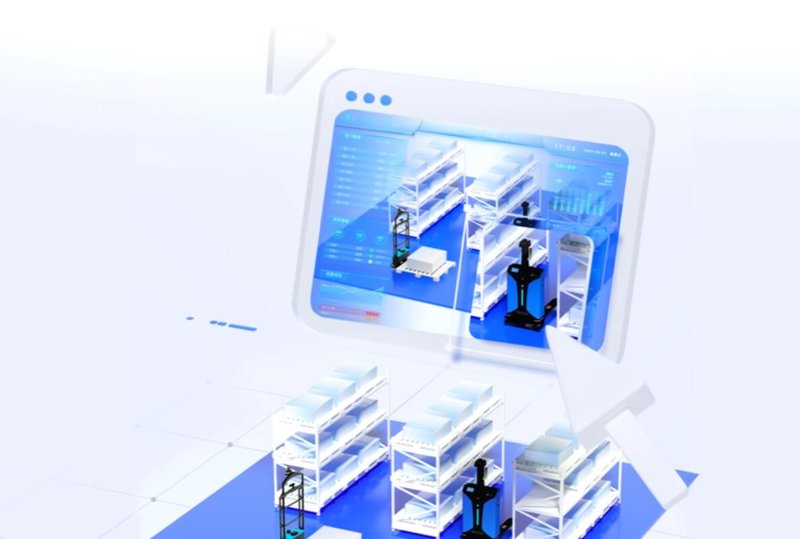
In many floors, software for robotics is still a stitched quilt of drivers, nodes, and adapters. The pattern is clever, but the seams take the stress. Monoliths push everything through a single middleware layer; a crowded message broker turns bursts into lag. Edge computing nodes help, yet a mismatched real-time kernel can still jitter control loops. SLAM gets busy; the motion planner waits; actuators respond late. Look, it’s simpler than you think: timing and isolation, not just algorithms, decide the day. When logs are shallow and observability is thin, small faults hide. Then they stack—like dust in a gearbox—until the robot coughs.

Traditional fixes try to tune around the pain. More watchdogs. More retries. Tighter PID gains. But that only masks drift caused by configuration spread and driver variance. Legacy stacks also bind safety and autonomy in one path, so a sensor hiccup can leak into a safety stop—hard. Power converters add noise; the bus chatters; the planner flinches. Meanwhile, updates are all-or-nothing. One patch risks a full restart—and production time vanishes. I have seen teams lock features just to keep lines running—funny how that works, right? The flaw is not the math. It is the coupling and the lack of clear, bounded contracts.

New Principles, Clearer Outcomes

What’s Next

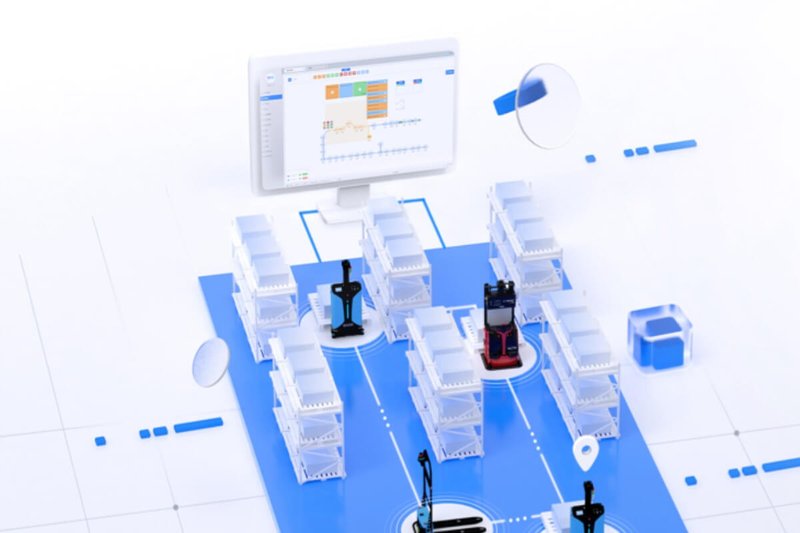
Forward-looking stacks change the unit of design from “the robot” to “the contract.” Services are smaller. Paths are explicit. Deterministic middleware with QoS controls gives planners steady ground. Behavior trees encode intent; each leaf has a clean border. Digital twins simulate edge cases, then feed safer defaults back to the fleet. Updates happen in slices—blue/green, canary, roll-forward and back. And when a sensor spikes, isolation keeps the safety channel pure. In this view, software for robotics becomes a set of promises between timing, sensing, and actuation—rather than a maze of callbacks. You get fewer surprises, and shorter ones. Small failures stay small.

We can see the practical shape already: microservices for perception and localization, a real-time control lane, and a monitored message path for everything else. On-device inference rides close to the metal; fleet logic sits a step away. OTA updates are testable and scoped. Edge computing nodes handle bursts; the cloud aggregates and learns. The lesson from earlier sections holds but evolves: resilience beats raw speed when scale arrives—and speed follows once variance is tamed. For teams choosing a path, use three checks. 1) Determinism under load: measure latency tails, not averages. 2) Observability at fault: trace across nodes, from sensor to actuator. 3) Update safety: prove rollback in minutes, without touching motion. Do this, and the night shift grows calm—less theater, more craft. For ongoing insight across this field, I keep an eye on SEER Robotics.

Mastering First Impressions A Comparative Guide to the M2-Retail Reception Counter

First Contact, Lasting Effect

You walk into a busy clinic at 8:45 a.m., lines curling, forms in hand, and a small doubt if you’re even in the right queue. The M2-Retail reception counter sits at the center like a stage. Data shows most visitors decide how they feel about a brand in under seven seconds—before they meet a person, often before they read a sign. So what makes that first touchpoint calm and clear instead of noisy and slow?

Here’s the thing (pois, you know this): people need fast orientation, smooth handoff, and simple cues. If there’s glare on the screen, if the desk height is wrong, if cables are a mess, the small frictions add up. And then they tell friends. Or leave. The question is not “Is the counter pretty?” It’s “Does it guide, record, and move?” — funny how that works, right?

Let’s compare what really moves the needle, and what only looks good from afar.

Under the Surface: The Hidden Pain Points You Don’t See

Where do the bottlenecks hide?

Let’s get technical for a moment. A modern reception counter soulution is not only wood, paint, and a smile. It’s a system of flows. Traditional counters often fail at three quiet pain points: unmanaged check-in peaks, poor cable management, and no space for secure peripherals. Look, it’s simpler than you think: if the desktop is cluttered, the workflow slows; if the screen sightlines are wrong, staff lean and twist; if the power path isn’t stable, devices reset at the worst time.

Inside the desk, details matter. Edge computing nodes near the point of service reduce lag in queue management software. Stable power converters keep receipt printers and card readers from hiccups. ADA-compliant knee clearance and split-height surfaces cut the “back-and-forth” between visitors and staff. Even airflow for small LED drivers and thermal vents means hardware stays cool during rush hours. When these pieces aren’t planned, teams compensate with sticky notes and side tables. That is the hidden tax on your service time—and on your people.

Next-Gen Principles: Comparing What’s Coming with What Works Now

What’s Next

Moving forward, the difference between a good and a great desk will hinge on how the system “thinks.” The smarter the core, the fewer touchpoints you need. Today’s counters route intent: scan, sign, go. Tomorrow’s will sense load and adjust. Imagine the front desk reception counter pairing IoT sensors with a small rules engine to open a second lane when dwell time creeps past 90 seconds. That isn’t sci-fi; it’s simple thresholds plus on-desk prompts. Compare that to older desks that rely on a shout across the room. One builds calm; the other builds noise.

Hardware choices also shape the day. Modular bays make it easy to swap a barcode reader without rewiring. Anti-scratch laminate can handle high traffic without hiding damage. And yes, those small choices add up. Power converters with surge protection prevent short outages from killing your flow—funny how a tiny part saves an hour. Summing up: streamline the human path, stabilize the electrical path, and reduce the cognitive path. Different angle, same goal—fewer stops, clearer cues, faster service.

Advisory close: three metrics to use when choosing a counter system. One: time-to-first-action (from arrival to first scan or form). Two: average dwell time per visitor during peak hour. Three: recovery time from a device fault (from failure to full service). Measure these before and after deployment. If the numbers move the right way, you’ve chosen well. If not, adjust geometry, routing, or power design. Quiet gains beat loud features. M2-Retail

Mengapa Pemain Slot Santai Justru Lebih Sering Menang?

Dalam hiruk-pikuk dunia slot online yang penuh strategi agresif dan bonus menggiurkan, ada segmen pemain yang justru mengambil jalur berbeda: para pemain “santai”. Bertolak belakang dengan kepercayaan umum, data dari aggregator platform game pada awal 2024 menunjukkan bahwa pemain yang mengategorikan diri mereka sebagai “pemain santai” justru memiliki rasio Return to Player (RTP) aktual yang 5-7% lebih tinggi dibandingkan dengan “pencari bonus” yang agresif. Fenomena ini bukanlah kebetulan, melainkan buah dari pendekatan psikologis dan pola bermain yang unik Slot pulsa.

Psikologi Dibalik Kemenangan yang Tidak Disengaja

Pemain slot santai seringkali tidak terobsesi pada jackpot progresif. Fokus mereka adalah pada pengalaman bermain itu sendiri—grafis yang menarik, tema yang seru, dan sensasi putaran yang menegangkan tanpa tekanan harus menang. Kondisi mental ini mengurangi “tilt”—istilah untuk kondisi emosional tidak stabil yang menyebabkan keputusan buruk. Ketika seorang pemain santai memutar gulungan, keputusannya lebih konsisten dan tidak terpengarua oleh kekalahan beruntun, yang justru menjadi jebakan bagi banyak pemain.

  • Pengambilan Keputusan Lebih Baik: Tanpa tekanan, pemilihannya lebih rasional.
  • Manajemen Emosi: Kekalahan tidak dilihat sebagai kerugian, melainkan bagian dari hiburan.
  • Pemilihan Game yang Tepat: Mereka cenderung memilih slot dengan volatilitas sesuai preferensi, bukan hanya potensi jackpot.

Studi Kasus: Kemenangan di Tengah Kesibukan

Ambil contoh kasus Andi, seorang desainer grafis yang hanya bermain slot 30 menit sambil menunggu file klien terrender. Pada Maret 2024, dalam sesi singkatnya yang rutin, ia memenangkan jackpot senilai 350x taruhan di sebuah slot bertema petualangan. Kuncinya? Ia selalu berhenti tepat waktu dan tidak pernah mengejar kerugian. Sesi bermainnya yang pendek dan terbatas mencegahnya dari keputusan impulsif.

Studi Kasus: Ibu Rumah Tangga dan Pola “Sambil”

Studi lain datang dari Ibu Sari, yang mengisi waktu luangnya di antara pekerjaan rumah dengan memutar slot favoritnya. Ia tidak pernah menyetorkan dalam jumlah besar dan hanya menggunakan keuntungan kecil dari belanja bulanan. Pola bermain “sambil” ini membuatnya tidak memiliki ekspektasi tinggi. Namun, pada kuartal pertama tahun ini, pola acak ini justru membawanya pada fitur bonus yang menghasilkan kemenangan terbesarnya. Ketidakhadiran ekspektasi itulah yang menjadi “strategi” terbaiknya.

Mengapa Pendekatan Ini Sulit Ditiru?

Kunci kesuksesan pemain santai justru terletak pada ketidaksengajaan mereka. Ini adalah paradoks: begitu seseorang berusaha untuk “menjadi santai” dengan tujuan akhir menang, esensi dari kesantunan itu sendiri hilang. Industri game menyadari hal ini. Banyak developer kini merancang slot dengan mode “demo tanpa batas” atau fitur “zen mode” yang menghilangkan semua notifikasi tekanan, mencoba menangkap esensi dari pemain santai ini. Pada akhirnya, pelajaran terbesar bukan pada bagaimana menjadi santai, tetapi pada bagaimana menikmati permainan tanpa membiarkan hasil akhir menguasai emosi Anda.