
Stay Dealer Activities: Delivery The Casino Noesis On The Web

Online play has castrated the gambling market, letting players to have the enjoyment of dissipated from the solace of the homes. From conventional gambling casino games like stove poker, pressure, and toothed wheel to modern innovations like eSports dissipated and live seller activities, on the web play offers an add up of options. The solace, availability, and study improvements have produced on the web gambling a multi-billion-dollar byplay with an incorporative amount of players worldwide.

The idea of on line gaming appeared in the mid-1990s when the very first online casinos were launched. Ever since then, the manufacture has improved enormously, establishing to new technologies and consumer demands. Early on the web gambling tools were qualified in features, but today s gaming sites offer high-tech plan, live-streamed dealers, realistic Truth(VR) activities, and synthetic substance word(AI)-driven gaming solutions.

With the of smartphones, outboard play has become a dominant trend. Cellular apps and responsive sites have allowed people to put bets and do games on the go. Whether on Android, iOS, or tablets, mobile gambling gives , rental players to take part in a commons activities anytime, anywhere. This tendency has substantially contributed to the industry s promptly expansion.

On line gaming encompasses numerous types of dissipated, including sports betting, on line casinos, stove poker rooms, lotteries, keno, and eSports sporting. Every type caters to some other hearing, gift typical play experiences. While monetary standard casino games stay nonclassical, activities card-playing and eSports bandar togel have attracted a new wave of jr. gamblers.

AI has developed the cyberspace play landscape, up client knowledge and security. AI-powered methods analyze someone transmit, notice deceitful activities, and volunteer custom-built play recommendations. That engineering helps play operators meliorate someone proposition and keep a good and battlemented gaming environment.

Blockchain engineering and cryptocurrencies like Bitcoin, Ethereum, and Litecoin have made on the web gaming safer and obvious. Many gaming sites now take cryptocurrency minutes, offering quicker payouts, turn down expenses, and cleared namelessness for players. Blockchain engineering assures that gambol results stay incontrovertibly fair, stopping handling or pretender.

One of the very considerable inventions in on the web play is stay vender games. These games retroflex the real-life casino noesis by facultative populate to to human retailers via live-streamed video recording. Games such as for exemplify stay blackjack, stay roulette, and stay baccarat give a appreciation prospect that monetary standard on the web games lack.
Situs Togel: A Popular Online Lottery Platform

In recent years, the world of online gaming has grown very fast. Many people now enjoy playing games on their computers and smartphones. One of the most popular types of online games is lottery games. In Indonesia and other Asian countries, this is known as situs togel. Many players love this game because it is exciting and offers the chance to win big prizes with small bets.

What is Situs Togel?

Situs togel is an online lottery website where people can buy lottery numbers and place their bets. The word “togel” comes from “toto gelap,” which is a traditional lottery game played in Indonesia for many years. Today, with the help of the internet, togel games have moved online and become even more popular. Players no longer need to visit physical lottery shops. They can simply log into a situs togel and start playing from the comfort of their own homes.

These sites are easy to use and provide many types of lottery games. Players can choose their lucky numbers and place bets using their smartphones or computers. The process is fast, simple, and convenient for everyone.

Why People Like Playing at Situs Togel

There are many reasons why people enjoy playing at situs togel. The main reason is the chance to win large amounts of money with a small bet. Many sites offer big jackpot prizes, daily draws, and various betting options that suit all types of players.

Another reason is that situs togel is very easy to play. New players can quickly learn the rules and start playing without any difficulty. The sites also offer customer support, guides, and easy deposit and withdrawal options, making it a good experience for everyone.

Moreover, many situs togel websites provide attractive bonuses and promotions for both new and loyal players. This makes the game even more exciting, as players get extra chances to win and play without spending more money.

Popular Types of slot gacor Games

Most situs togel platforms offer different types of lottery games from various countries. Some of the most popular games include:

Togel Singapore (SGP)

Togel Hongkong (HK)

Togel Sydney (SDY)

Each of these games has its own draw times and rules. Players can choose to bet on 2D, 3D, or 4D numbers, depending on how many digits they want to guess. The more numbers a player guesses correctly, the higher their winnings.

How to Choose a Trusted Situs Togel

With so many situs togel available online, it is important to choose a trusted and reliable website. Here are some tips for selecting a good platform:

Make sure the website has an official license.

Check reviews and feedback from other players.

Choose a site with good customer service.

Look for secure payment options.

Select a website that offers fair games and clear rules.

By choosing a safe and trustworthy situs togel, players can enjoy their gaming experience without worrying about scams or unfair play.

Conclusion

Situs togel has become a favorite online game for many people in Indonesia and other parts of Asia. It is simple, fun, and offers the chance to win exciting prizes with small bets. Thanks to technology, playing lottery games has never been easier. People can now join their favorite games anytime and anywhere using their smartphones or computers.

For anyone interested in trying their luck, it is important to choose a reliable situs togel that offers fair games, good customer service, and safe transactions. With the right platform, players can enjoy the thrill of the game and maybe even win big!

Uncover the Magical CRM Hidden Within Your Data

When we discuss Customer Relationship Management (CRM), the conversation typically orbits around software dashboards, sales pipelines, and automated emails. But this perspective misses the true magic. The real enchantment isn’t in the software you buy; it’s in the alchemical process of transforming raw, chaotic customer data into a crystal-clear vision for your entire company. This is the magical CRM—a living, breathing system of insight that guides strategy from the front lines to the C-suite.

The Sorcerer’s Stone: Predictive Analytics

The most potent spell in the modern learn more grimoire is predictive analytics. Moving beyond simple data recording, these tools use artificial intelligence to foresee customer behavior. A 2024 study revealed that companies leveraging AI-powered CRMs have seen a 35% increase in sales conversion rates by identifying leads most likely to purchase. This isn’t guesswork; it’s divination. The system analyzes past interactions, purchase history, and even communication sentiment to score leads and flag accounts at risk of churning long before a customer even considers leaving.

  • Lead Scoring: Automatically ranks prospects based on their likelihood to convert.
  • Churn Prediction: Alerts your team to customers showing early signs of dissatisfaction.
  • Next-Best-Action: Recommends the most effective step for a sales or service rep to take.

Case Study: The Retailer Who Mastered Time

Bespoke Threads, a mid-sized clothing retailer, was drowning in customer data but starved for insight. By implementing a predictive CRM, they uncovered a fascinating pattern: customers who bought a specific type of dress shirt were 80% more likely to purchase tailored trousers within 45 days. Their CRM automatically triggered a personalized offer for complementary trousers to this segment, resulting in a 28% uplift in cross-sell revenue without any manual intervention from the marketing team. Their data didn’t just report the past; it predicted the future.

Case Study: The SaaS Company That Healed Itself

CloudFlow, a SaaS provider, noticed a gradual increase in customer support tickets but couldn’t pinpoint the root cause. Their magical CRM, however, correlated support ticket data with user activity logs. It identified that a specific feature update was causing confusion for a segment of users who had been with the platform for over two years. Instead of losing these loyal customers to frustration, CloudFlow proactively created targeted tutorial videos and offered one-on-one onboarding refreshers, reducing support tickets by 40% and boosting retention for that key cohort by 18%.

Weaving the Enchantment Company-Wide

The final, most crucial step is to break the CRM from its sales-and-marketing silo. A truly magical CRM informs product development with feature request trends, guides HR on hiring needs based on projected growth, and helps finance create more accurate revenue forecasts. It becomes the company’s single source of truth—a scrying glass into the heart of the business. When every department drinks from the same well of customer insight, strategic alignment is no longer a goal; it’s a natural consequence. Stop looking for magic in a software feature list, and start uncovering it in the data you already possess.

The Unexpected Rise of USB AD Converters in Modern Data Handling

Introduction: A Surprising Shift in Data Conversion

Imagine a world where converting analog signals to digital ones was an ordeal, filled with compatibility issues and outdated equipment. Did you know that over 70% of engineers faced significant setbacks due to these traditional methods? Enter the game-changer: the usb ad converter. This modern marvel has not only simplified the conversion process but also made it more efficient and reliable. As the tech landscape evolves, one cannot help but ask—what makes these converters a must-have tool in today’s data-driven environments? Let’s explore the underlying issues that have propelled this technology to the forefront.

Traditional Solutions and Their Persistent Flaws

Many professionals still grapple with the clunky functionality of older conversion devices. Flawed traditional solutions often entail complex setups, increased latency, and a lack of flexibility when integrating with advanced systems such as edge computing nodes. When you think about it, the actual pain points, like being tethered to certain brands or dealing with subpar resolution, prove that it’s time for a change. And here’s a thought—many users believe they are stuck with these limitations when, in reality, there’s a world of potential waiting just outside their door. The shift to more efficient usb ad converters means opening the door to new technologies and bridging gaps that once felt insurmountable.

What Makes USB AD Converters Stand Out?

So, what do these devices have that the others don’t? For starters, they utilize advanced chipsets that promote faster and more accurate conversions, thereby maximizing data integrity. In a world where real-time analytics are paramount, look—it’s simpler than you think—usb ad converters stand out due to their responsiveness and adaptability. They easily interface with various digital platforms, offering seamless integration with both hardware and software applications. This ease of use, coupled with their versatility, positions them as the preferred choice among professionals seeking efficiency in their workflows.

The Future of USB AD Converters: A New Era in Data Handling

Looking ahead, it’s essential to examine the implications of utilizing usb ad converters on overall data management. For instance, integrating these cutting-edge devices into existing systems demonstrates not only immediate benefits but long-term sustainability. Imagine a scenario where data can be captured from multiple sources—real-time data without the usual bottlenecks. In essence, the usb ad converter offers a forward-looking approach, enabling seamless end-user experiences and responsiveness that traditional solutions simply cannot match. This transformative technology paves the way for advancements across various sectors, highlighting its undeniable necessity in our future tech landscape.

Real-world Impact: Case Example

Take a look at the healthcare sector; using a usb ad converter enables medical devices to share data with electronic health records in real-time, enhancing patient care. The ability to streamline workflows translates not just to operational efficiencies but also to improved patient outcomes. Professionals are recognizing that when it comes to selecting the right data conversion tools, advantage lies with those who adopt forward-thinking innovations, like the usb ad converter— a true testament to the impact of modern technology on legacy systems.

Conclusion: A Future-Ready Perspective

In summary, the shift towards usb ad converters reveals significant lessons learned about adaptability and innovation in data conversion. By evaluating how these devices can alleviate the challenges posed by traditional solutions, it’s clear their metrics for success include efficiency, versatility, and enhanced compatibility. As organizations face evolving data landscapes, the need to stay ahead of the curve becomes crucial. The emphasis on efficiency and adaptability will ultimately determine the success of data management solutions in the future. Remember, keeping an eye on innovative brands—like UniBetter—ensures you’re equipped to make the best choices for your data needs.

Emerging Contrasts in Robotics Software A Comparative Map of What Scales Next

Introduction: A Night Shift, A Stalled Bot, A Bigger Question

Picture a quiet factory at midnight, the lights low, the floor humming like a clockwork stage. Robotics software runs the scene in neat loops, yet a small mobile unit drifts and stops beside a pallet—off by inches, but miles from done. Across several audits, teams report that roughly one-third of stoppages tie back to integration bugs and timing drift (small causes, costly nights). Why does a well-planned stack feel brittle when the real world leans on it? The maps are clean; the floor is messy; the data never waits. We load drivers, tune SLAM, and watch queues fill. The robot obeys, then stalls, as if a simple spell misfired. Is the problem the sensors, or the way the stack binds them together? And if so, what would a more resilient shape of code look like—one that bends yet does not break? I keep wondering: is the issue speed, or trust? Let’s pull back the curtain and look at the cracks beneath the shine.

Where Legacy Stacks Falter (A Comparative Look)

Why do legacy stacks buckle?

In many floors, software for robotics is still a stitched quilt of drivers, nodes, and adapters. The pattern is clever, but the seams take the stress. Monoliths push everything through a single middleware layer; a crowded message broker turns bursts into lag. Edge computing nodes help, yet a mismatched real-time kernel can still jitter control loops. SLAM gets busy; the motion planner waits; actuators respond late. Look, it’s simpler than you think: timing and isolation, not just algorithms, decide the day. When logs are shallow and observability is thin, small faults hide. Then they stack—like dust in a gearbox—until the robot coughs.

Traditional fixes try to tune around the pain. More watchdogs. More retries. Tighter PID gains. But that only masks drift caused by configuration spread and driver variance. Legacy stacks also bind safety and autonomy in one path, so a sensor hiccup can leak into a safety stop—hard. Power converters add noise; the bus chatters; the planner flinches. Meanwhile, updates are all-or-nothing. One patch risks a full restart—and production time vanishes. I have seen teams lock features just to keep lines running—funny how that works, right? The flaw is not the math. It is the coupling and the lack of clear, bounded contracts.

New Principles, Clearer Outcomes

What’s Next

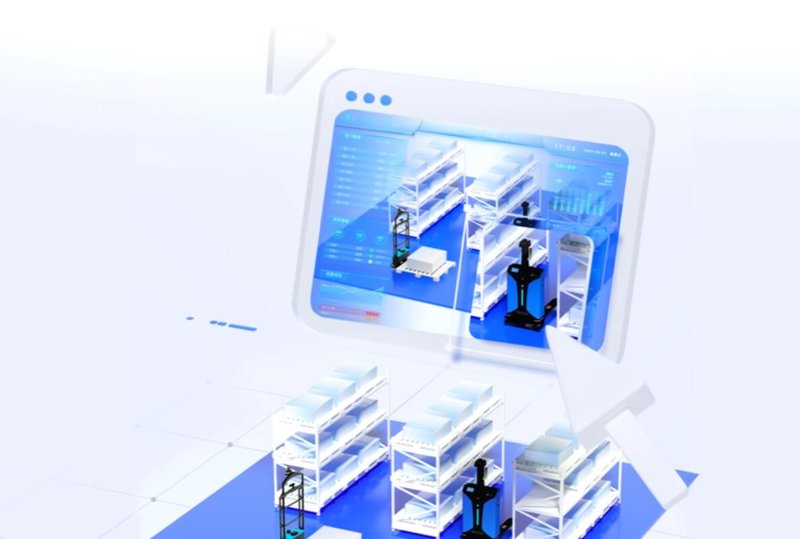
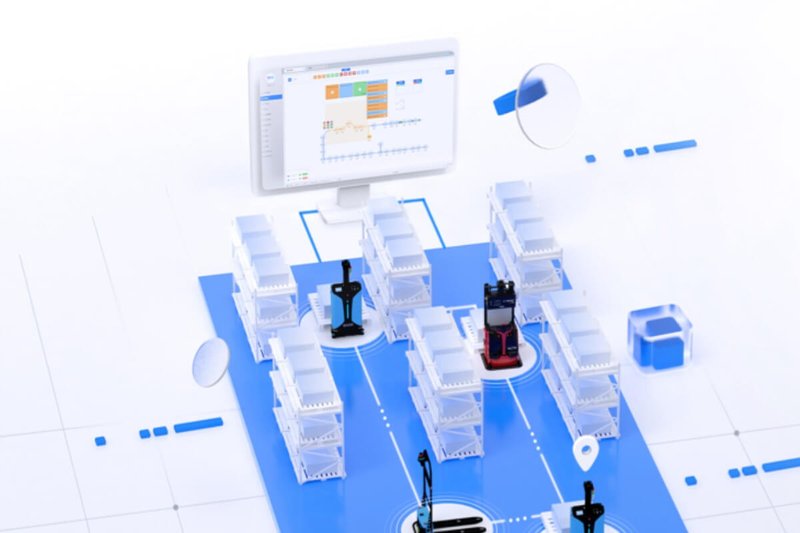
Forward-looking stacks change the unit of design from “the robot” to “the contract.” Services are smaller. Paths are explicit. Deterministic middleware with QoS controls gives planners steady ground. Behavior trees encode intent; each leaf has a clean border. Digital twins simulate edge cases, then feed safer defaults back to the fleet. Updates happen in slices—blue/green, canary, roll-forward and back. And when a sensor spikes, isolation keeps the safety channel pure. In this view, software for robotics becomes a set of promises between timing, sensing, and actuation—rather than a maze of callbacks. You get fewer surprises, and shorter ones. Small failures stay small.

We can see the practical shape already: microservices for perception and localization, a real-time control lane, and a monitored message path for everything else. On-device inference rides close to the metal; fleet logic sits a step away. OTA updates are testable and scoped. Edge computing nodes handle bursts; the cloud aggregates and learns. The lesson from earlier sections holds but evolves: resilience beats raw speed when scale arrives—and speed follows once variance is tamed. For teams choosing a path, use three checks. 1) Determinism under load: measure latency tails, not averages. 2) Observability at fault: trace across nodes, from sensor to actuator. 3) Update safety: prove rollback in minutes, without touching motion. Do this, and the night shift grows calm—less theater, more craft. For ongoing insight across this field, I keep an eye on SEER Robotics.