
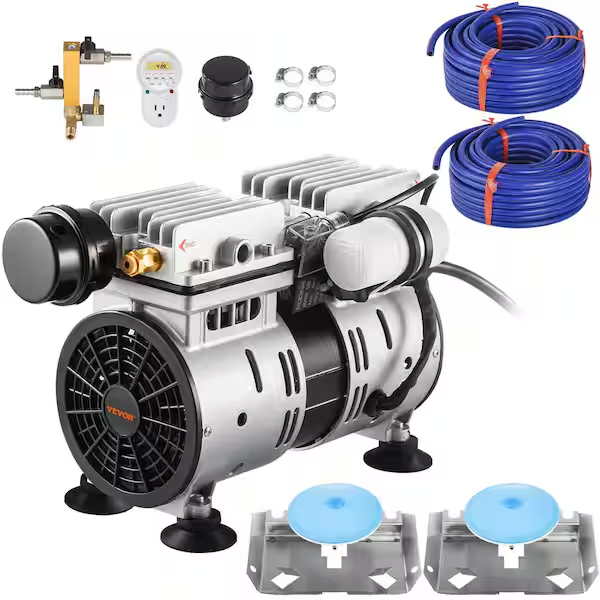
A pond air pump is an important piece of equipment used to improve oxygen levels and water circulation in ponds. It helps create a healthier environment for fish, aquatic plants, and beneficial bacteria by increasing the amount of dissolved oxygen in the water.
Whether used in a small garden pond or a large koi pond, a reliable air pump plays a major role in maintaining balanced and healthy pond conditions throughout the year.
What Is a Pond Air Pump?
A pond air pump is a device that pushes air through tubing into the pond using air stones or diffusers. These accessories release fine bubbles into the water, allowing oxygen to circulate more effectively throughout the pond.
Unlike water pumps that mainly move water, air pumps focus on aeration and oxygen exchange.
Why Pond Aeration Is Important
Proper oxygen levels are essential for maintaining a healthy pond ecosystem. Fish, aquatic plants, and beneficial bacteria all depend on oxygen to survive and function properly.
Good pond aeration helps:
- Improve fish health
- Support biological filtration
- Prevent stagnant water
- Reduce harmful gas buildup
- Improve water quality
- Reduce sludge accumulation
Without adequate oxygen, ponds may experience poor water conditions and increased algae growth.
How Pond Air Pumps Work
The air pump pulls in atmospheric air and forces it through airline tubing connected to air stones or diffusers placed underwater.
As the bubbles rise:
- Oxygen enters the water
- Water circulation improves
- Harmful gases escape from the pond
- Stagnant areas are reduced
This process creates healthier conditions for the entire pond ecosystem.
Benefits of Using a Pond Air Pump
Installing a pond air pump offers several important advantages.
Increased Oxygen Levels
Higher oxygen levels support healthier fish and beneficial bacteria, especially during warm weather when oxygen naturally decreases.
Better Water Circulation
Air movement helps distribute oxygen evenly throughout the pond and prevents stagnant areas from developing.
Improved Biological Filtration
Beneficial bacteria in pond filters require oxygen to break down harmful waste and toxins effectively.
Healthier Fish Environment
Proper aeration reduces stress in koi and other pond fish while improving overall water quality.
Reduced Sludge and Odors
Improved oxygenation supports natural biological processes that help reduce sludge buildup and unpleasant pond odors.
Types of Pond Air Pumps
Different types of pond air pumps are available depending on pond size and oxygen requirements.
Diaphragm Air Pumps
These are common for small and medium-sized garden ponds. They are energy-efficient, compact, and suitable for continuous operation.
Linear Air Pumps
Linear pumps are designed for larger ponds and koi systems. They provide strong airflow with quiet and reliable performance.
Piston Air Pumps
Piston pumps produce higher air pressure and are ideal for deeper ponds or large-scale aeration systems.
Solar Pond Air Pumps
Solar-powered air pumps offer environmentally friendly aeration solutions for smaller ponds and areas without electrical access.
Air Stones and Diffusers
Air stones and diffusers are important accessories used with pond air pumps. They break the airflow into fine bubbles, improving oxygen transfer efficiency.
Common diffuser options include:
- Standard air stones
- Disc diffusers
- Ceramic diffusers
- Weighted air stones
Fine bubbles provide better oxygen distribution and circulation throughout the pond.
Pond Air Pumps for Koi Ponds
Koi ponds require strong aeration because koi fish consume large amounts of oxygen and produce significant waste.
A pond air pump helps koi ponds by:
- Maintaining healthy oxygen levels
- Supporting filtration systems
- Improving fish health
- Preventing stagnant water conditions
Many koi pond owners use multiple diffusers for improved circulation and oxygen distribution.
Installing a Pond Air Pump
Correct installation helps maximize performance and efficiency.
Helpful installation tips include:
- Place the pump in a dry, ventilated area
- Position air stones in deeper pond sections
- Keep airline tubing free from bends or blockages
- Use weatherproof protection outdoors
- Position the pump above water level when possible
Proper placement also helps reduce noise and prolong equipment lifespan.
Winter Benefits of Pond Air Pumps
Pond air pumps are especially useful during winter months when ponds may freeze over.
Aeration helps by:
- Keeping small openings in ice
- Allowing harmful gases to escape
- Maintaining oxygen exchange
- Supporting fish survival during cold weather
During winter, air stones are often placed at moderate depths to avoid disturbing warmer water near the pond bottom.
Maintaining Pond Air Pumps
Regular maintenance ensures long-lasting and reliable performance.
Maintenance tasks may include:
- Cleaning air stones and diffusers
- Checking airline tubing for leaks
- Replacing worn diaphragms or parts
- Removing dust from air intakes
- Monitoring airflow output
Routine care helps maintain consistent oxygen levels and efficient operation.
Choosing the Right Pond Air Pump
When selecting a pond air pump, consider:
- Pond size and depth
- Number of fish
- Oxygen requirements
- Desired airflow capacity
- Noise levels
- Energy efficiency
Larger or heavily stocked ponds generally require more powerful aeration systems.
Final Thoughts
A pond air pump is an essential tool for maintaining healthy, oxygen-rich pond water. By improving aeration and circulation, it supports fish health, enhances biological filtration, and helps create a balanced aquatic environment.